Spoor helps human caregivers better understand their pets’ wellbeing preferences through the animals’ own instinctive choices. Drawing on Mongolian nomadic care practices, it translates the biodiversity conditions of the steppe into a domestic-scale interface where urban pets can engage freely and safely with diverse natural sensory cues organised into wellbeing themes. Cumulative engagement traces form interpretable patterns, bringing animal-led insight into everyday care and decision-making that remains difficult to access through human-led, indirect approaches.
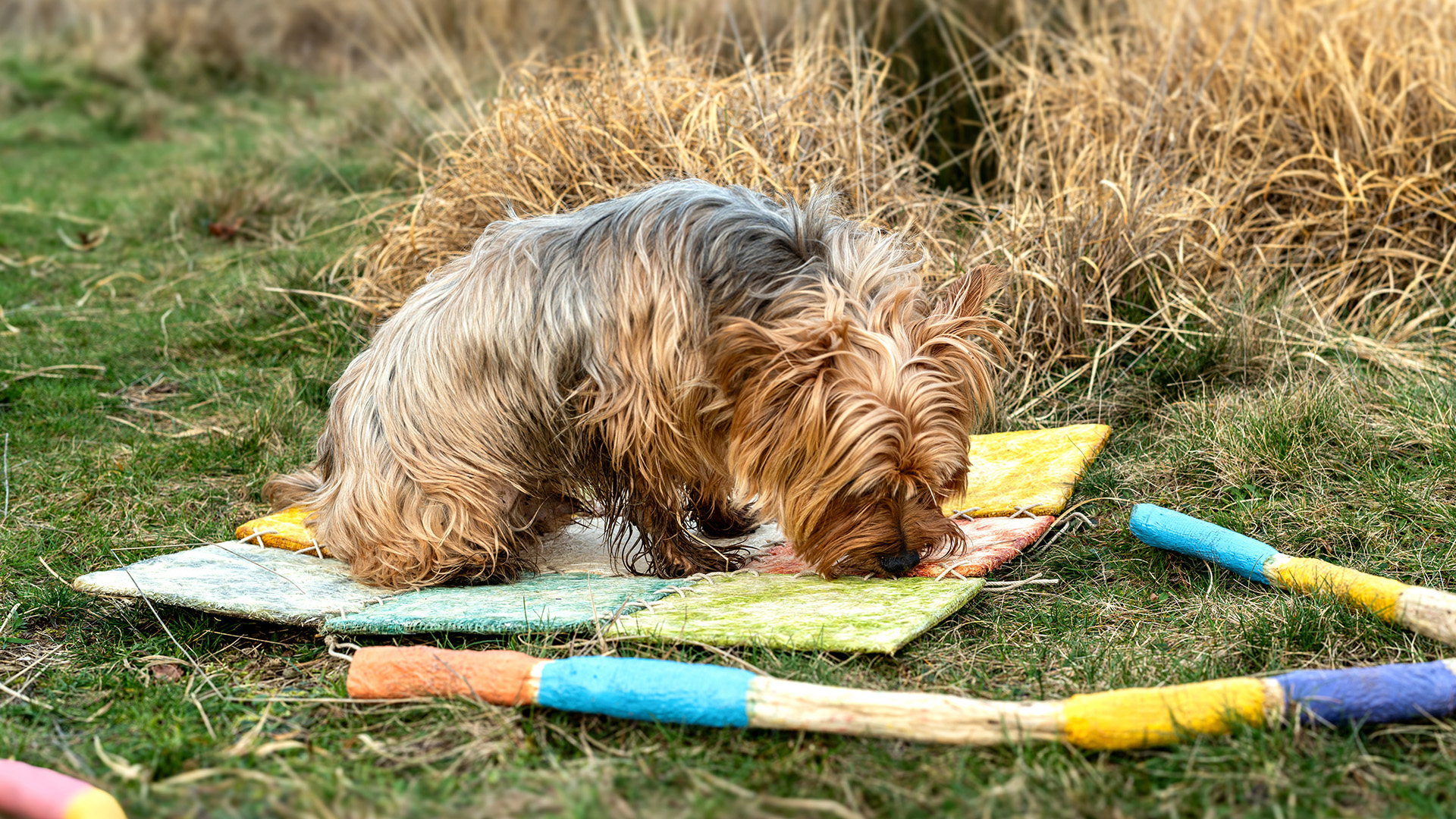
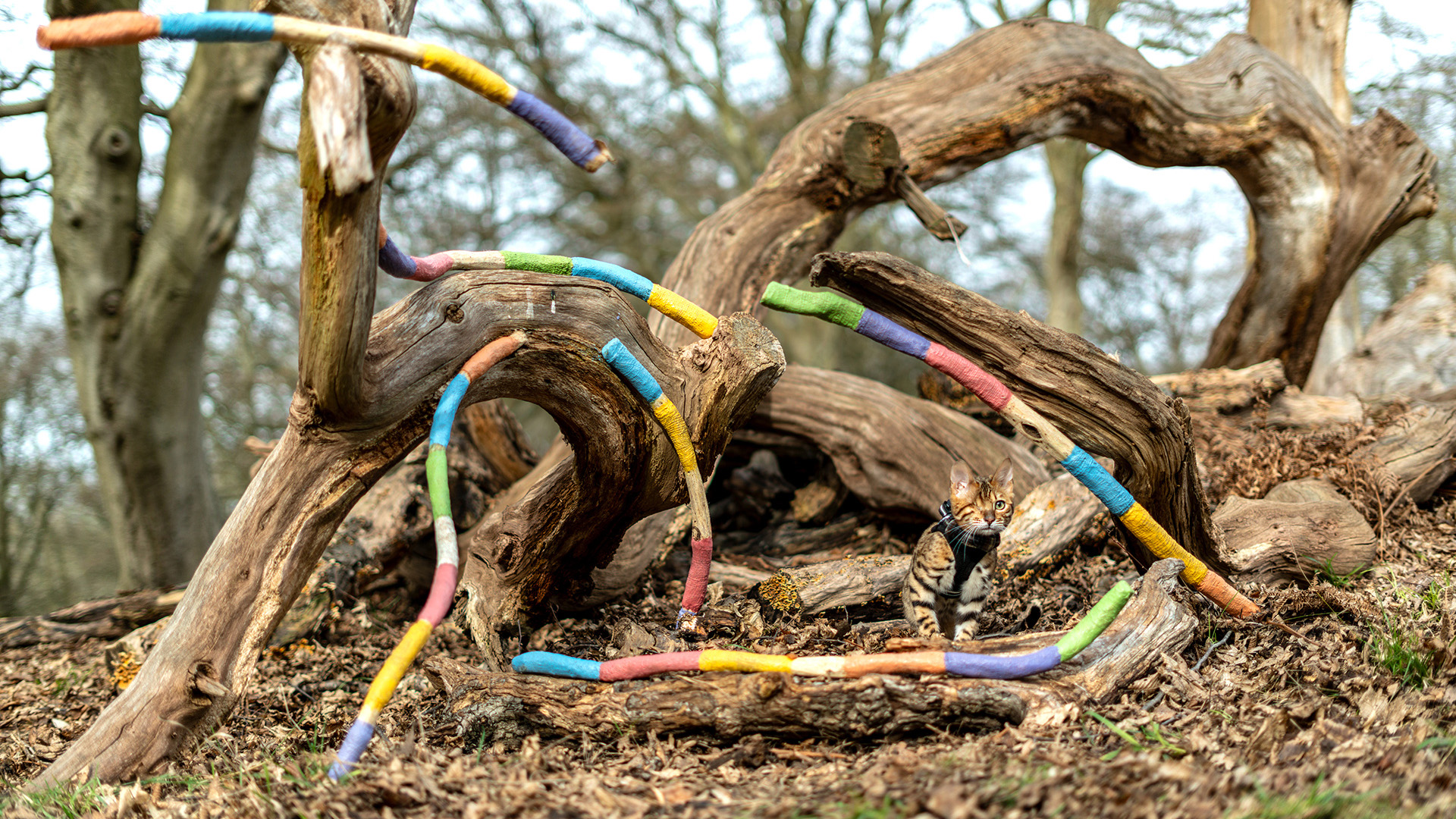
Spoor prototype used by a dogSpoor prototype used by a cat

Hover to view alternate image

Multispecies participants

Animals · Plants · Humans

Ecosystem functions

Information exchange · Sensory enrichment

What it addresses

“I wish I could speak to my dog” captures one of the most common struggles among dog owners. 58% worried about missing latent needs or failing to provide the care their pets actually need, while 45% believed pets should have more say about their own wellbeing, acknowledging that their needs may differ from, or extend beyond, what existing approaches such as observation, vet checks and monitoring devices can fully capture. This uncertainty can create real anxiety and may encourage overcompensation.

Less acknowledged is the cost to animals: when their needs are not expressed in ways humans readily recognise, those needs are less likely to be perceived, understood or fulfilled. By contrast, expressions that fit human interpretations are more likely to be rewarded and reinforced, gradually narrowing interspecies communication towards more anthropomorphic forms.

* Street interview survey with 100 London dog owners, conducted by Zuriya Wang.

How it works

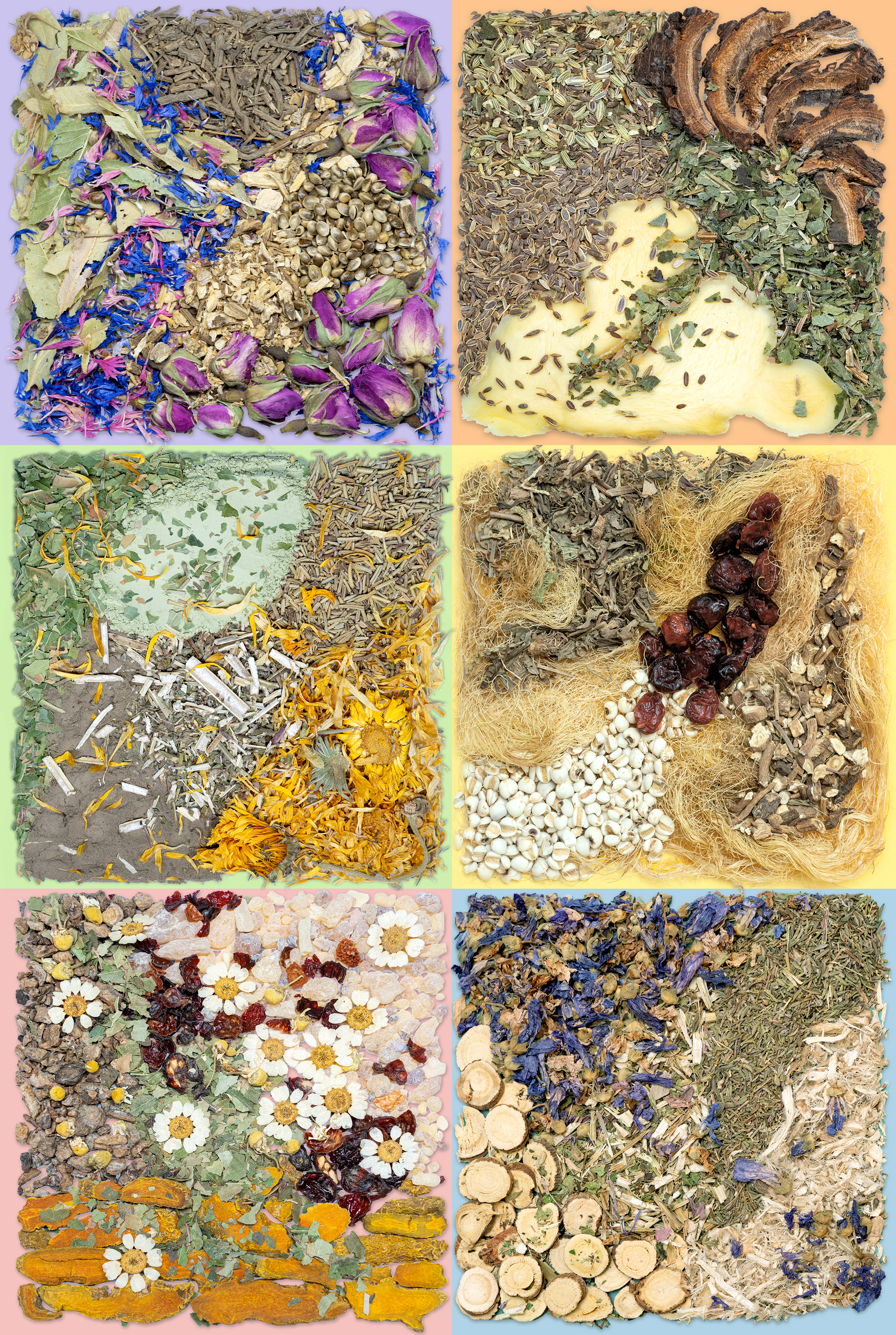
Spoor sensory cue zones

Hover to enlargeScroll to view

Animals are known to forage and self-select natural materials to support their wellbeing, a phenomenon referred to as zoopharmacognosy. Drawing on scientific and practice-based knowledge, Spoor translates this natural intelligence into an everyday care interface:

Natural sensory cues

Organised and embedded into wellbeing-themed zones.

Free engagement

Animals engage safely with the zones they are drawn to.

Cumulative traces

Repeated interaction leaves readable marks over time.

Human interpretation

Caregivers interpret emerging preference signals from differentiated wear patterns.

Each zone combines multiple herbs and natural materials into a distinct sensory cue associated with a particular wellbeing theme, drawing on applied zoopharmacognosy and established veterinary and natural remedy practices.

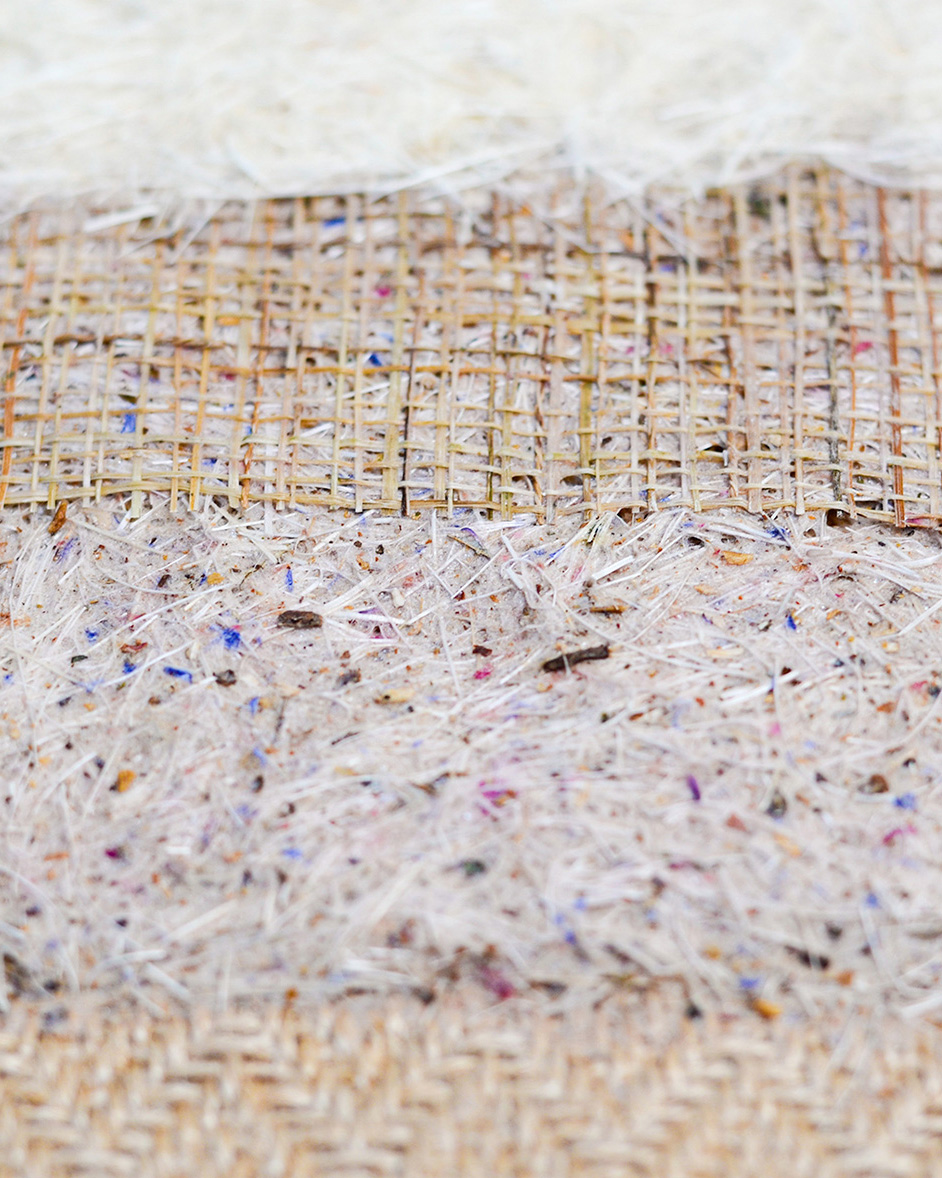
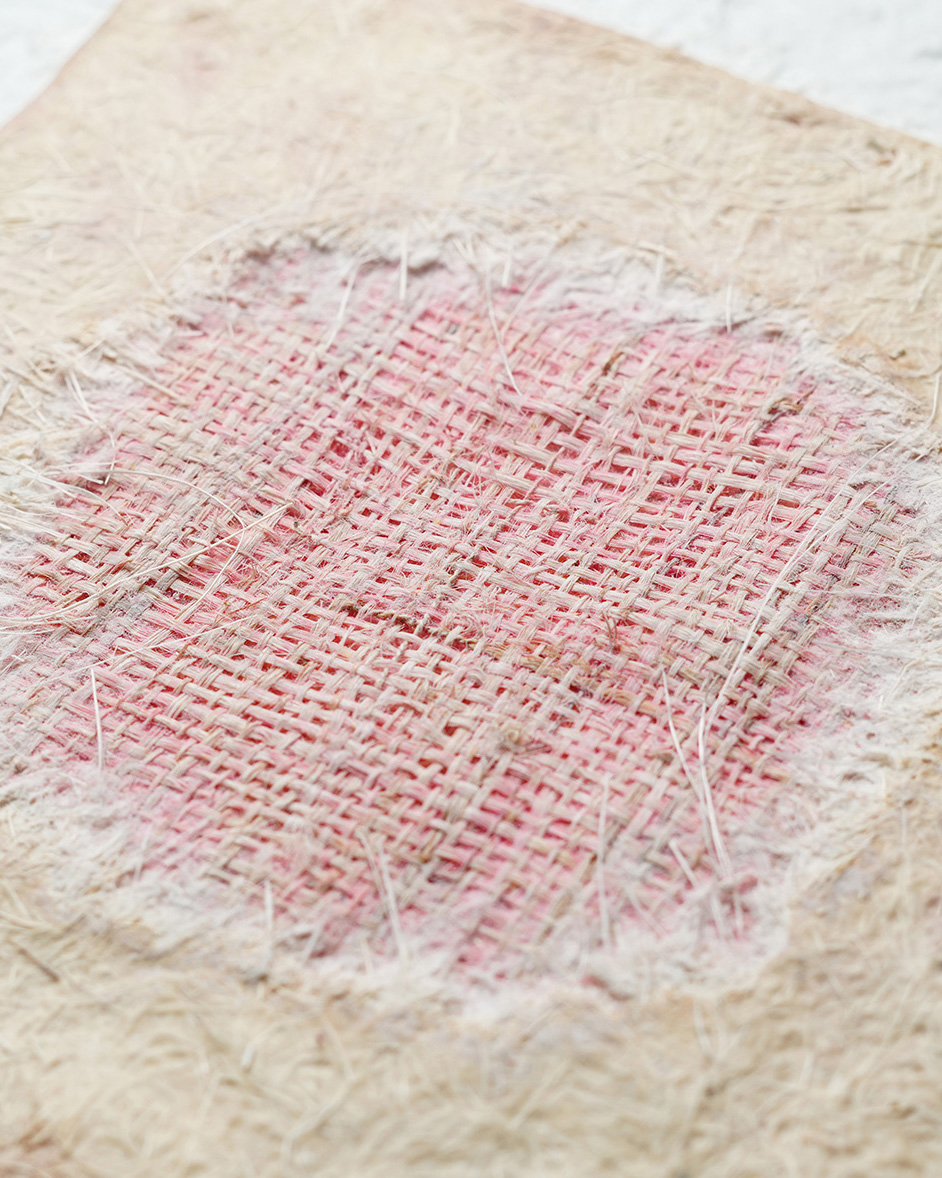
Spoor interface structureSpoor wear trace revealing colour identifier

Hover to view wear traces

Spoor is built as a pet-safe multi-layered bio-composite interface designed to hold and present natural sensory cues, supporting species-specific interactions and allowing interpretable traces to form gradually over time.

Trace layer

Records and accumulates interactions over time.

Confinement layer

Helps limit access and reduce the risk of excessive ingestion.

Carrier layer

Retains and preserves embedded natural sensory sources.

Base layer

Provides durable, moisture-resistant support.

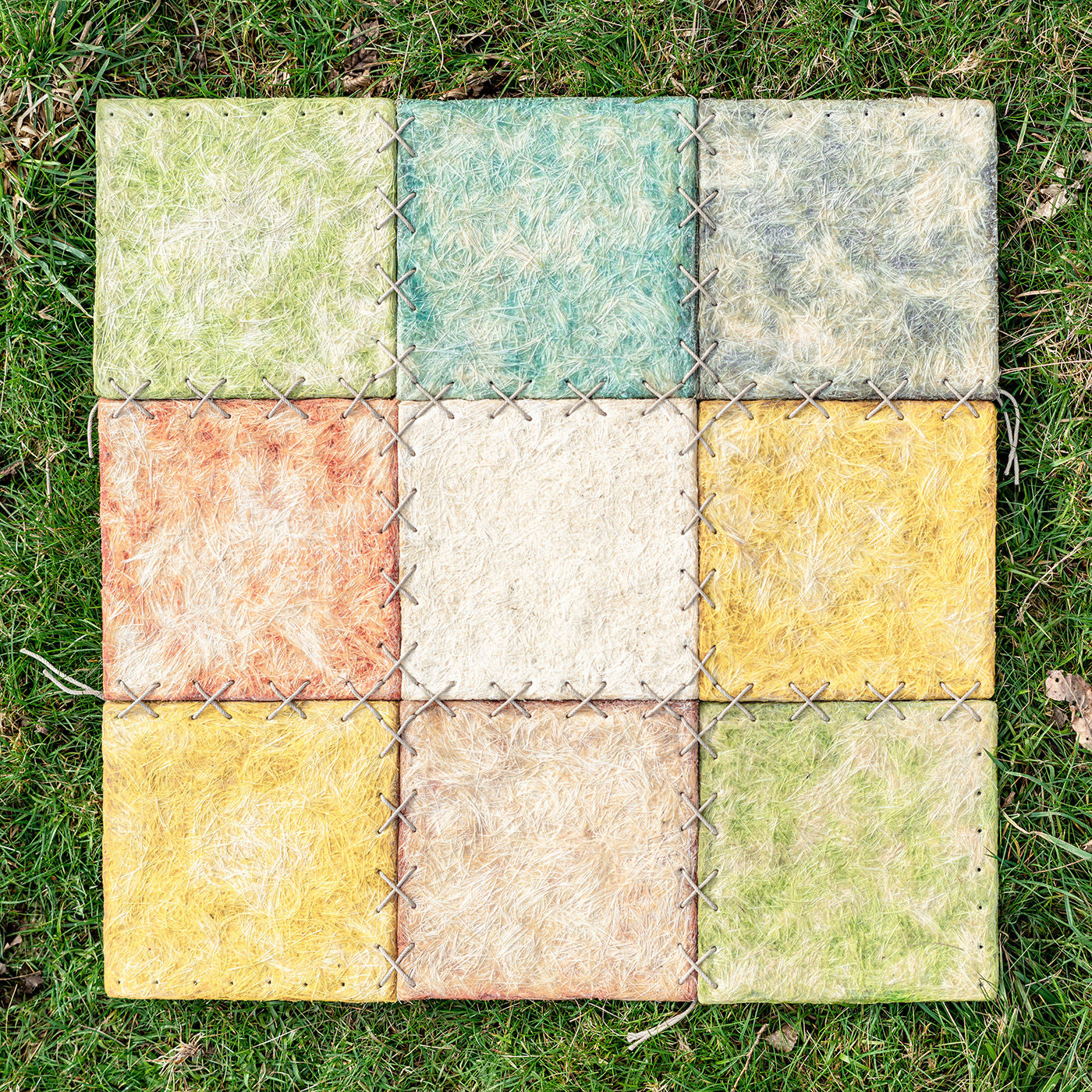
Progressive wear reveals the colour identifier, allowing the caregiver to map traces to the corresponding theme. In standard prototypes, the surface layer remains mostly beige. In display prototypes, colours are made more visible to distinguish the themes.

Open-Setting Performance

Spoor was tested in a pet rescue centre with around 50 freely moving dogs and no prior training or prompting. During a 2-hour effective testing period, six dogs voluntarily approached and actively engaged with six themed boards and one blank control board without herb cues. Board colours were enhanced in post-production for video legibility.

Across 50 clear choices made by 6 dogs, identified through behaviours such as chewing, rolling, carrying away, guarding or repeated return:

  • Each dog showed a preferred theme through repeated choices
  • Average repeat rate for preferred themes: 70%
  • The blank control board received 0 selections

Indoor Biodiversity

Spoor flat sensory interface

Many urban pets spend most of their lives indoors, surrounded by artificial materials and with very limited access to nature. Yet they still retain strong self-selection instincts, chewing or ingesting houseplants, soil or whatever is accessible. 80% of owners reported observing and often struggling with this behaviour, as urban life makes it increasingly risky. Toxic plants, pollutants, waste and unsafe conditions both outdoors and indoors can turn a natural need into a source of worry.

Rather than treating these instincts only as problems to control, Spoor explores how they might become a more supportive and informative part of domestic care by reintroducing biodiversity as an active participant in multispecies co-living.