Making the Multispecies
Home a Living Ecosystem
Steppe designs everyday objects as ecological infrastructure for multispecies co-living in urban homes, informed by long-established Mongolian nomadic lifeways where multispecies relations are vital infrastructure for life, resilience and freedom.
Working with pets as multispecies mediators and biomaterials as ecological interfaces, it creates conditions for humans, animals, plants and other nonhuman dwellers to relate and work together towards emerging domestic ecosystems, through which natural intelligence embedded in diverse species, materials and ecological processes can be enabled to help address everyday co-living problems and wider ecological concerns.
 Hover to view alternate image
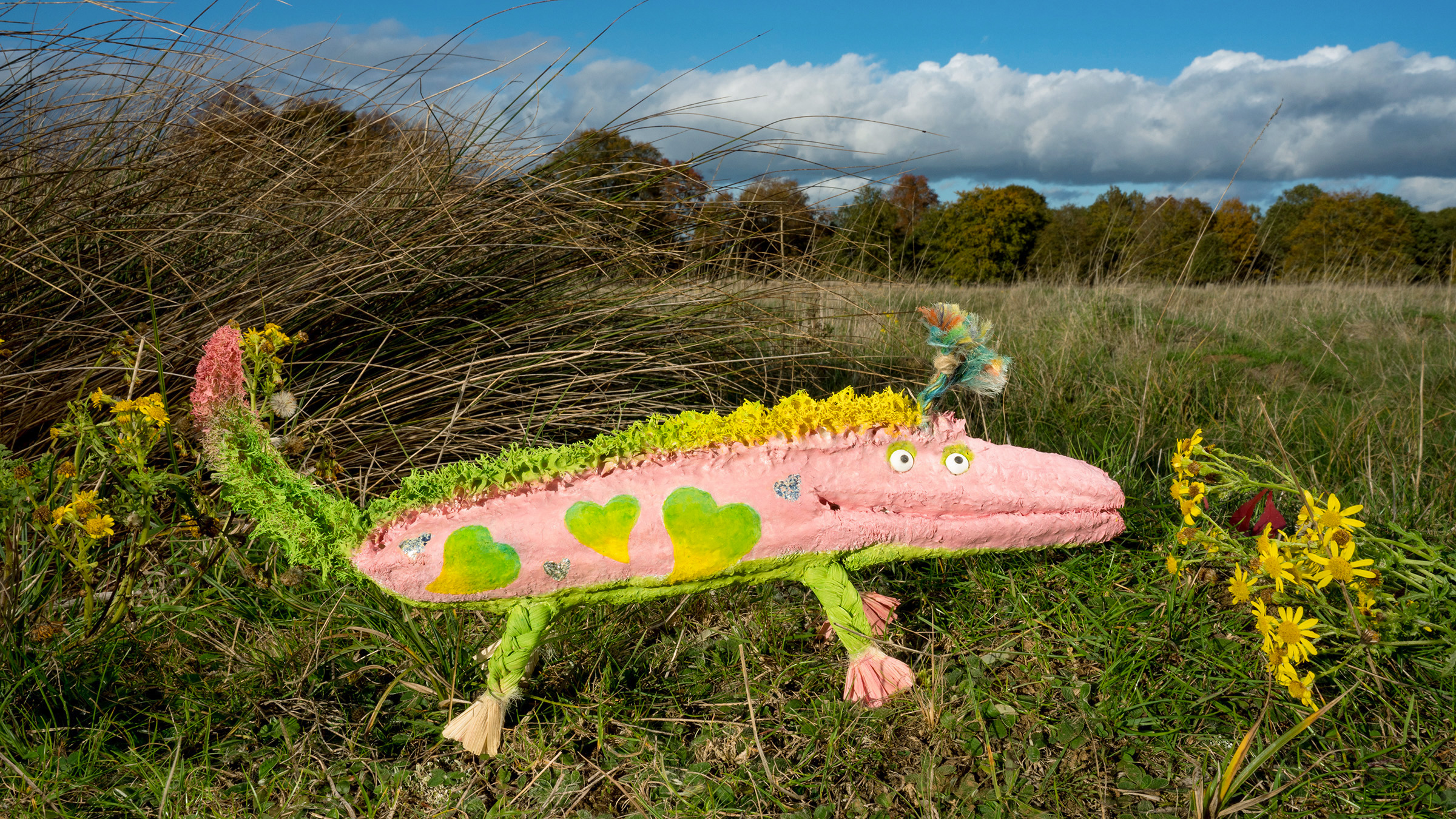
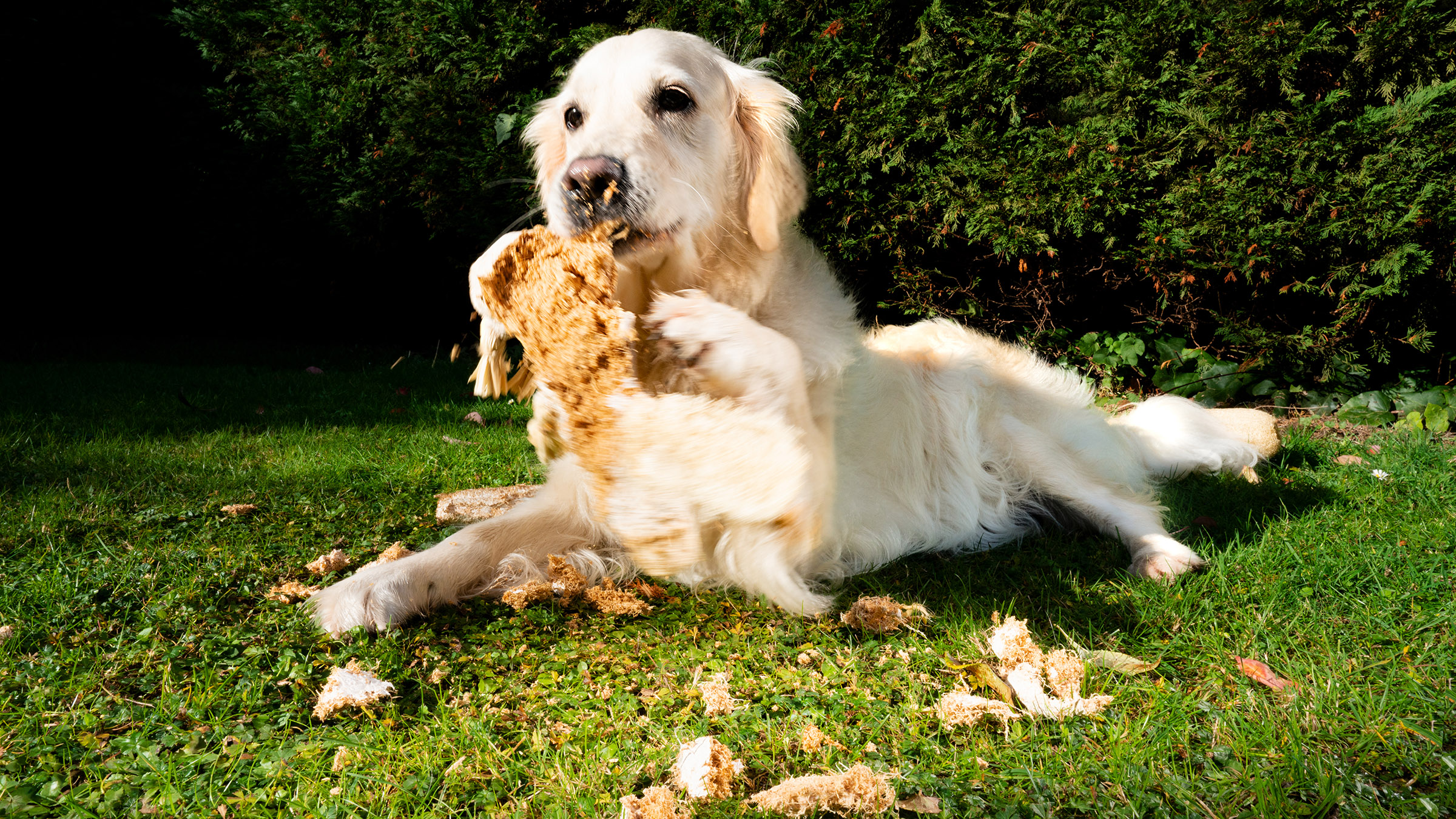
Loomyco
Edible Biocomposite Soft Toy Turns play into nourishment, damage into transformation, and waste into ecological participation.
 Hover to view alternate image
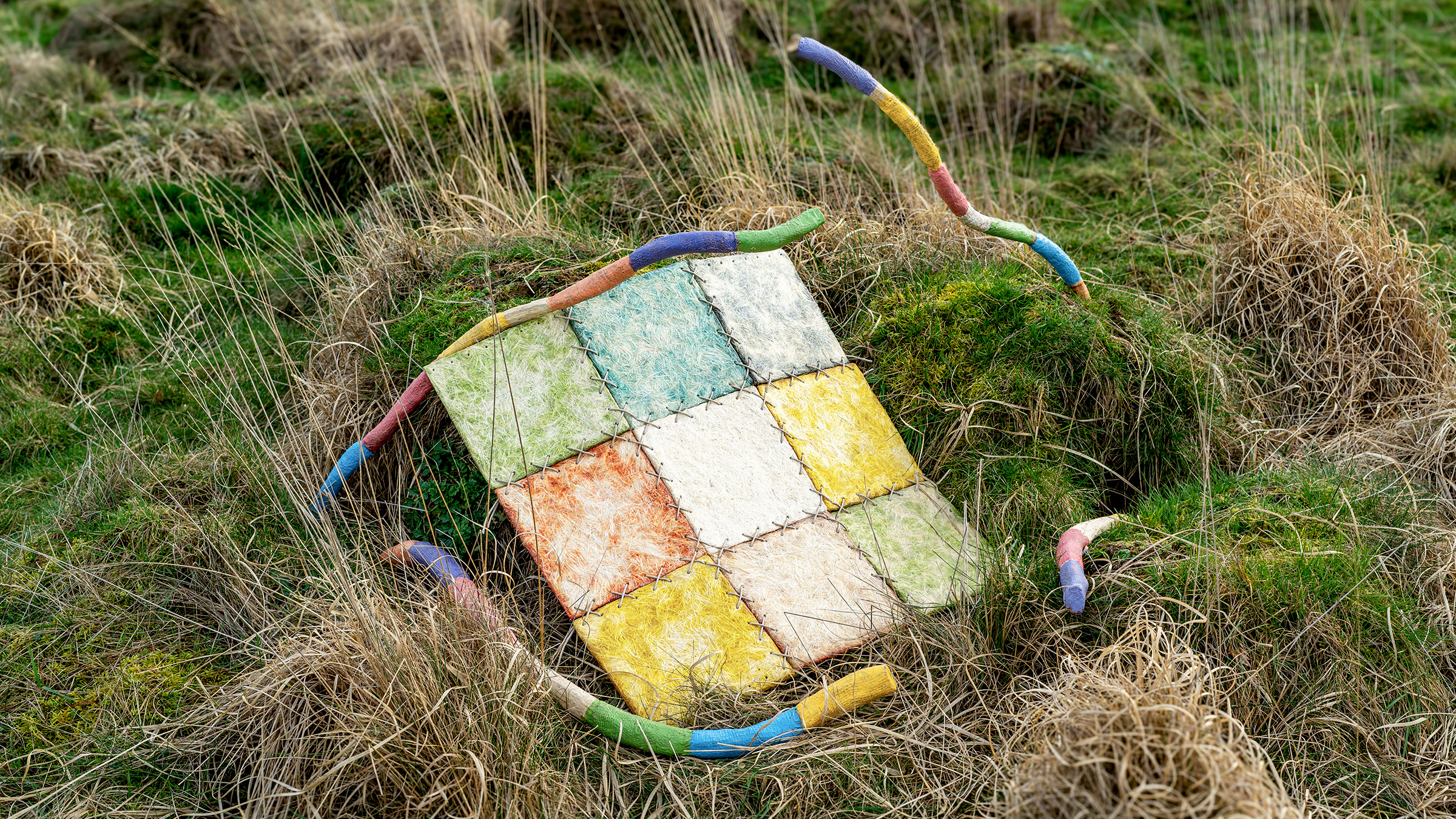
Spoor
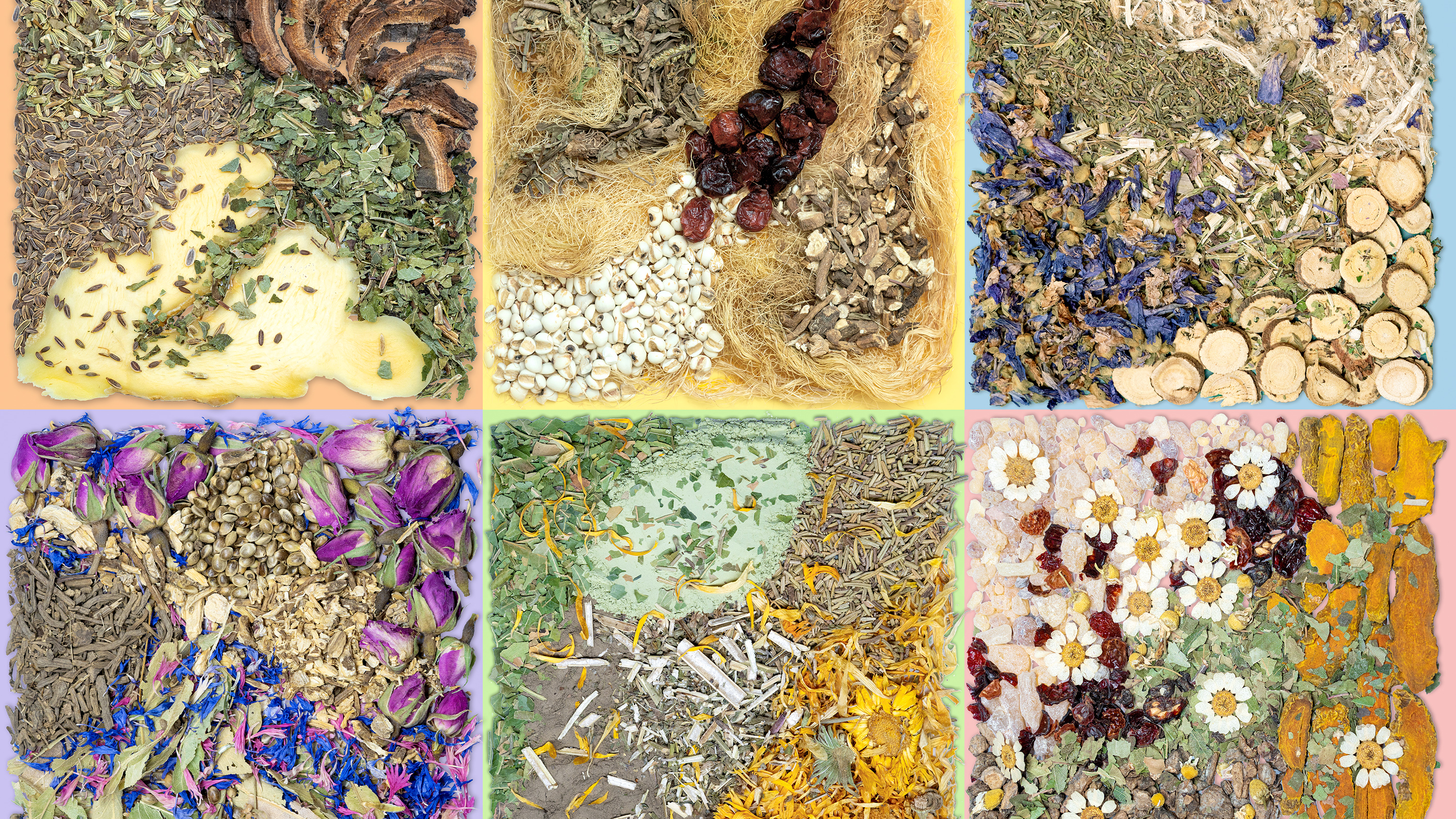
Pets Self-Selection Interface Bringing animal-led insight into their own wellbeing choices by reintroducing biodiversity conditions into everyday care.

The word ecology is rooted in the Greek oikos, meaning “household” or “place to live”. Yet today, ecology is often imagined as something outside the home, rather than something that begins within it.
Urban domestic life is now more multispecies than at any time in modern history. More than half of households worldwide now live with pets. Many also keep houseplants, while urban expansion has brought wildlife, insects, and microbes into close cohabitation with us.
The home is a unique ecosystem, a primary site where human–nature relations are practised, normalised and materialised through everyday life. It shapes how people perceive and engage with nonhumans, and how we understand our place within the wider natural world.

What makes a home a living system is not simply the presence of living things, nor even shared space, but the relations between species. An ecosystem is a system of relations. On the Mongolian steppe, life is sustained not by isolated resources, but by relational conditions: autonomy depends on cooperation, resilience on diversity, and freedom on belonging.
In urban homes, nonhumans are often separated into isolated, human-centred roles: pets as companions, plants as decoration, wildlife as visitors, insects as disturbances and microbes as targets of elimination. Domestic life may contain many species, yet systemic ecological relations are largely absent.
Such relations do not happen automatically. In nature, countless ecological infrastructures, from the scale of the steppe to the flower and the root, allow different species and materials to respond to one another’s needs. Flowers connect plants and pollinators; roots connect plants, soil and microbes. Steppe asks how everyday objects might provide similar conditions in urban homes, enabling meaningful multispecies relations to emerge in domestic life.

Multispecies co-living in urban homes is not always harmonious, from destructive pet behaviours to pigeon droppings on the balcony. Rather than restrict, suppress or separate nonhumans, Steppe turns frictions into opportunities, designing conditions in which natural intelligence, animal and biomaterial agency can act as participants in addressing everyday co-living problems and wider ecological concerns.
I once asked a nomadic family how they managed thousands of animals so effortlessly. “We don’t manage them. We just find the pasture they like. They find what they need and treat themselves better than we or most vets could.” Nomadic herders are not omnipotent problem-solvers but experts in creating conditions for nature’s intelligence to do the work.
Pets occupy a critical position in domestic ecology, where “love-diversity” and biodiversity are deeply intertwined. The more love is concentrated on pets alone, the more ecologically exclusive it becomes, especially when channelled through humanising projection that reinforces human–nature alienation and speciesism. Steppe works with pets as “ambassadors” and builds on their established role in shaping cross-species attitudes and care, so that care for pets can become a bridge to other nonhumans and wider nature.
Biomaterials are not just what objects are made from, but how relations become materially possible. Beyond lower-impact substitution, Steppe works with them as ecological interfaces to create affordances and distribute agency through which different species can recognise, interact with and respond to one another. By taking part in ecological processes, they help form systems of exchange, cooperation and transformation, becoming active participants in multispecies relations and problem-solving.